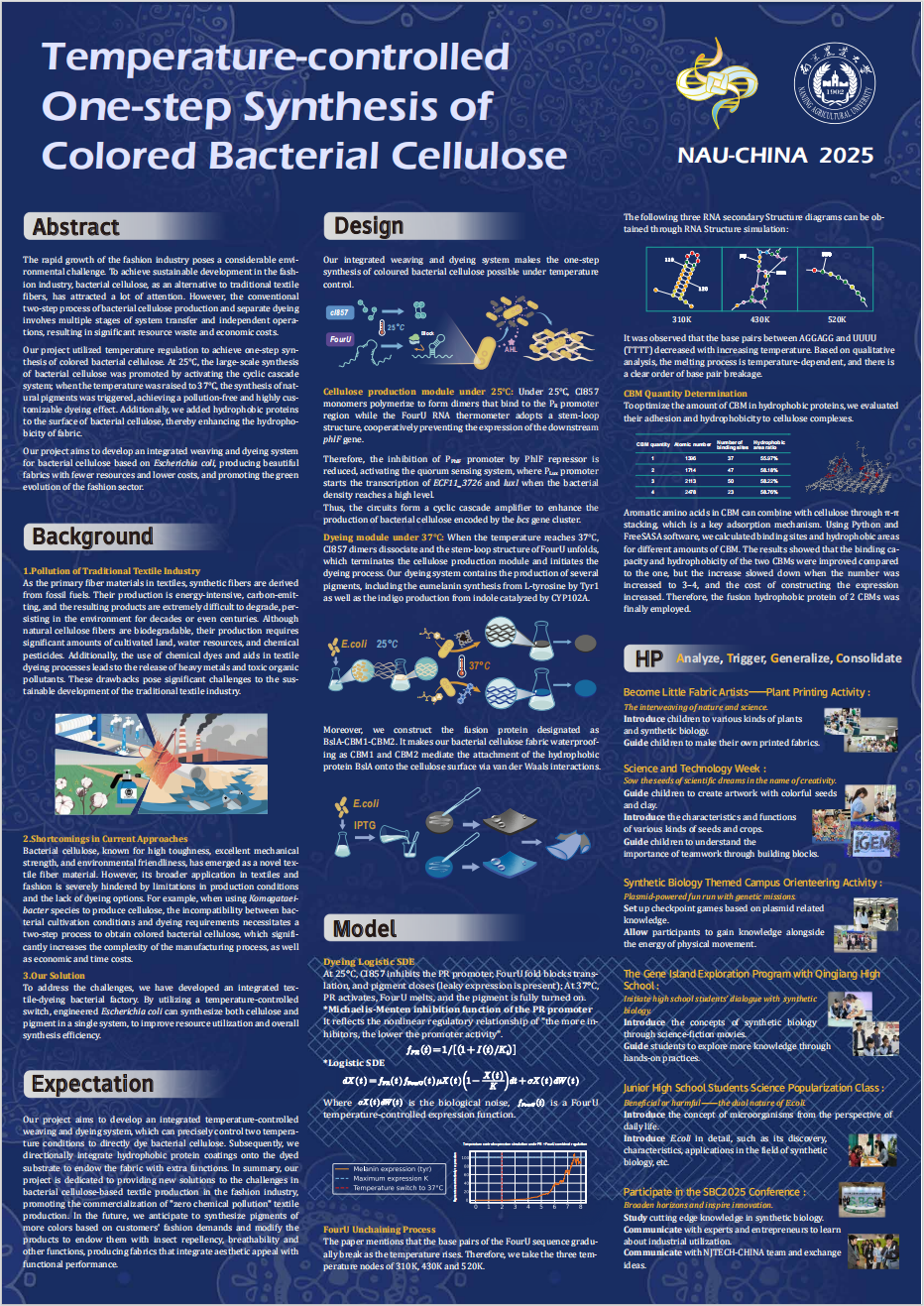
The textile industry, as an important sector of fashion industry, is the second largest pollution source in the world. Traditional textile manufacturing processes, which separate fiber production from dyeing, are highly water-intensive and incompatible with the principles of sustainable fashion. To address these challenges, our project developed an integrated system for bacterial cellulose weaving and dyeing using E. coli. We have achieved one-step synthesis of colored bacterial cellulose through temperature regulation. At 25 ℃, bacterial cellulose was produced in large quantities through cascade amplification. When the temperature was raised to 37 ℃, natural pigments were expressed to realize customizable and pollution-free dyeing. We added hydrophobic proteins to the surface of bacterial cellulose to form a hydrophobic coating to enhance the fabric’s waterproof performance. This project aims to overcome the limitations of low bacterial cellulose yield expressed in E. coli and endow it with hydrophobic properties. It provides a solution for the fashion industry that integrates functional aesthetics with environmentally friendly choices.
Cultural Connection
"NAU-CHINA’s project, "Temperature-Controlled One-step Synthesis of Colored Bacterial Cellulose," initially stemmed from concerns about high pollution in the modern textile industry. Yet during its research and development process, it struck a cross-temporal chord with China’s millennia-old textile civilization. Looking back at the ancient Silk Road, Chinese textile techniques have always embodied the wisdom of aligning with nature and the seasons, and creating with low carbon impact. The ancients raised silkworms on mulberry leaves, extracted silk to weave brocades, and every step, from mulberry cultivation to dyeing and finishing, followed the laws of nature, prioritizing natural materials and low-consumption craftsmanship. This commitment to coexisting harmoniously with nature aligns perfectly with our technical pursuit.
The bacterial cellulose we developed is a natural bio-based material that requires no land for cultivation. Its biodegradable nature frees traditional textile raw materials from their reliance on the environment, while still retaining silk’s desirable qualities: lightness, breathability, skin-friendliness, and flexibility. Furthermore, our project represents an innovative upgrade to the ancient traditional process of "weaving and dyeing in one pot." In ancient times, fabrics required multiple steps: spinning, weaving, and dyeing; by contrast, we regulate the metabolic temperature of microorganisms to achieve simultaneous dyeing of bacterial cellulose during its synthesis. This not only preserves the ancient aesthetic pursuit of natural colors in traditional dyeing but also reduces pollution emissions in production through one-step formation, putting the ancients’ low-carbon creation concept into modern practice.
From the natural wisdom of ancient textiles to modern biosynthesis, what has changed is the technical pathway; what remains unchanged is the core of Chinese culture —— respecting nature and refining craftsmanship. We hope this technology will serve as a starting point: while offering a solution to pollution in the textile industry, it will also allow the environmental and nature-centered philosophy of ancient textile civilization to thrive in the era of synthetic biology.
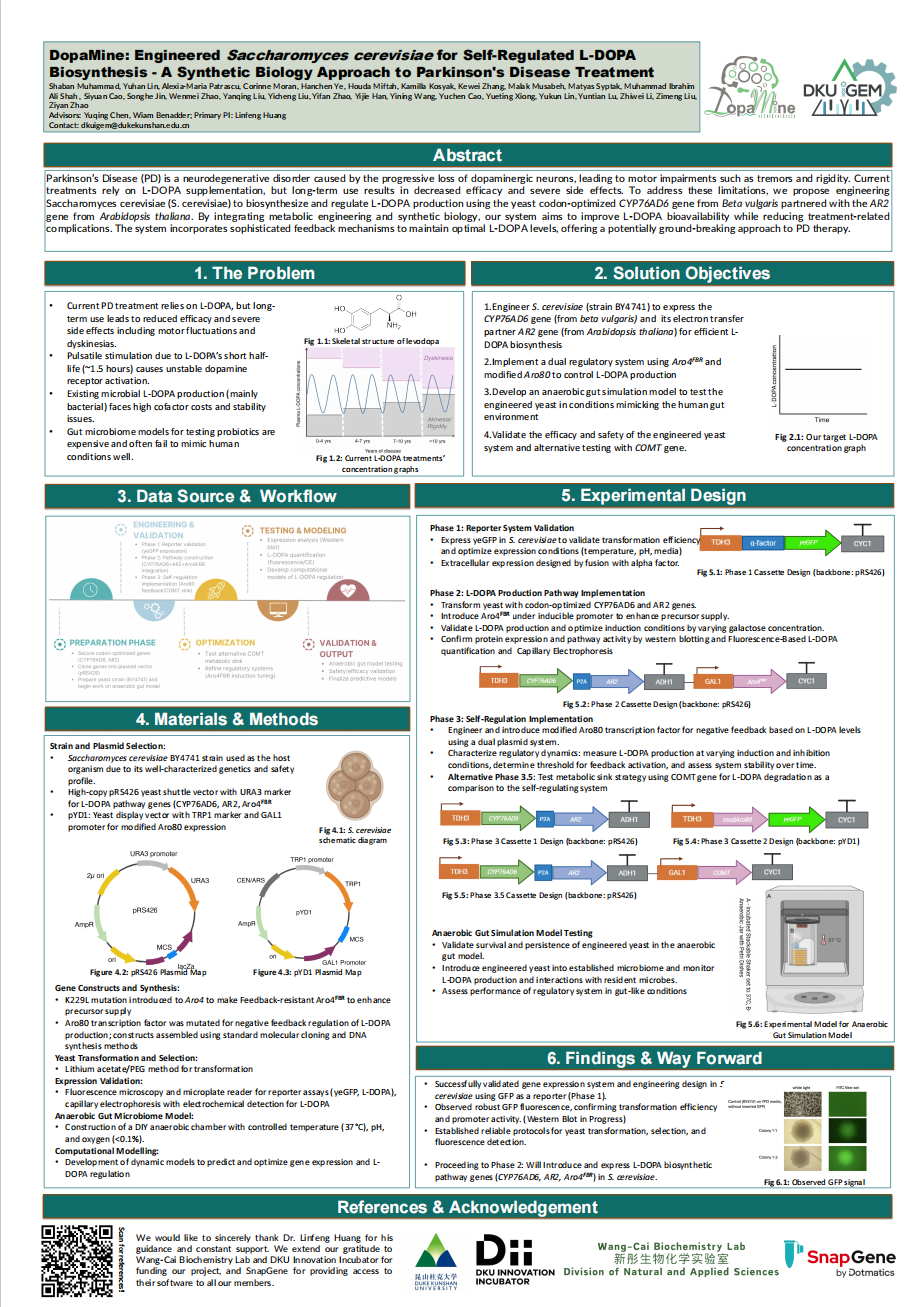
Parkinson’s Disease (PD) is a neurodegenerative disorder caused by the progressive loss of dopaminergic neurons, leading to motor impairments such as tremors and rigidity. Current treatments rely on L-DOPA supplementation, but long-term use results in decreased efficacy and severe side effects. To address these limitations, we propose engineering Saccharomyces cerevisiae (S. cerevisiae) to biosynthesize and regulate L-DOPA production using the yeast codon-optimized CYP76AD6 gene from Beta vulgaris partnered with the AR2 gene from Arabidopsis thaliana. By integrating metabolic engineering and synthetic biology, our system aims to improve L-DOPA bioavailability while reducing treatment-related complications. The system incorporates sophisticated feedback mechanisms to maintain optimal L-DOPA levels, offering a potentially ground-breaking approach to PD therapy.
Cultural Connection
Our project to engineer Saccharomyces cerevisiae for self-regulated L-DOPA biosynthesis is deeply connected to traditional culture through both direct inheritance and metaphorical resonance. Yeast itself has accompanied human civilization for thousands of years, central to bread, wine, and medicinal fermentation in cultures across the world. By using yeast as our living platform, we inherit a method that generations before us relied on: harnessing the vitality of microbes to improve human health and wellbeing.
At the same time, our approach draws inspiration from traditional medical practices that emphasized balance and regulation. In Chinese medicine, for example, treatments are designed not simply to supply what is lacking, but to restore harmony within the body’s systems. Similarly, our self-regulating yeast model does not flood the body with L-DOPA in an unstable way, but continuously senses and adjusts production to maintain equilibrium. This reflects a cultural philosophy that health arises from dynamic balance rather than forceful intervention.
There is also a symbolic dimension. Just as fermentation transforms simple ingredients into something more powerful and sustaining, our project reimagines an ancient process with modern tools of synthetic biology. In this sense, it becomes a metaphor for cultural continuity: the old methods are not abandoned but reinvented, giving them renewed relevance in addressing today’s challenges. Through direct inheritance of microbial technology, inspiration from traditional concepts of balance, and metaphorical reflection on transformation, our project demonstrates that scientific innovation and cultural tradition are not separate paths. Instead, they intersect and enrich one another, showing how humanity’s oldest practices can guide cutting-edge solutions for the future.
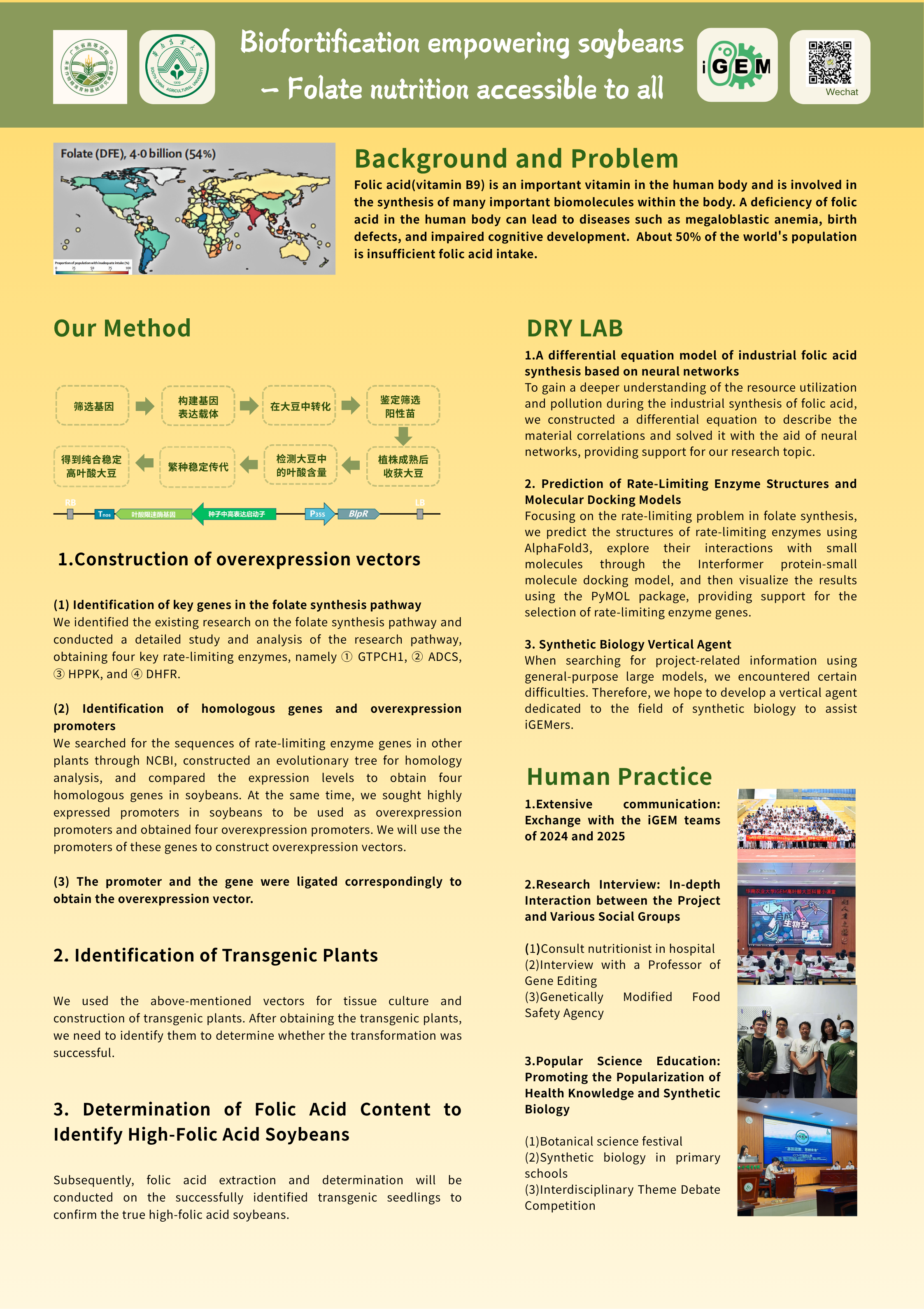
Folate(vitamin B9) is an important vitamin in the human body and is involved in the synthesis of many important biomolecules within the body. A deficiency of follate in the human body can lead to diseases such as megaloblastic anemia, birth defects, and impaired cognitive development. However, folic acid cannot be synthesized independently in the human body and must be obtained from the outside. About 50% of the world's population is insufficient folate intake. People in underdeveloped areas have a relatively large gap in folate due to their dietary structure and economic conditions. And groups such as lactating pregnant women need to ensure an adequate intake of folate. The whole world needs higher-quality folate to address issues such as hidden hunger and promote a healthy lifestyle. Soybean as the main food crop, the protein in the highest levels in several major crops, the most abundant species, but the amount of folate to improve synthetic study is less, our study is that we wish to improve synthetic folate in soybean volume, can let more people from soy products (soybean milk, bean curd, soybean oil, etc.) of folate, disease prevention, healthy life.

Cultural Connection
The high-folate soybean enrichment project represents a direct continuation and scientific elevation of China's traditional wisdom of "food as medicine." The ancient adage "food supplementation is superior to drug supplementation" captures its essence perfectly. Instead of relying on external additives, the project employs biotechnology to enhance the nutritional value of a staple crop itself. This enables a subtle yet effective public health intervention, aligning seamlessly with the traditional dietary philosophy of "preventing illness before it arises."
In its methodology, the project draws inspiration from the traditional farming principle of "meticulous cultivation." It avoids a brute-force approach, focusing instead on improving seed genetics—much like the ancient practice of carefully selecting and breeding crops. This demonstrates a respect for and skillful utilization of natural principles.
On a deeper, metaphorical level, the project embodies the safeguarding of "the continuity of life." Folate is essential for healthy origins and development. Fortifying this nutrient symbolizes a profound commitment to the nation's future and the well-being of families. It transforms technological empowerment into a modern form of "nurturing life" and "caring for the young," infusing this scientific achievement with deep humanistic warmth. It stands as a vivid example of
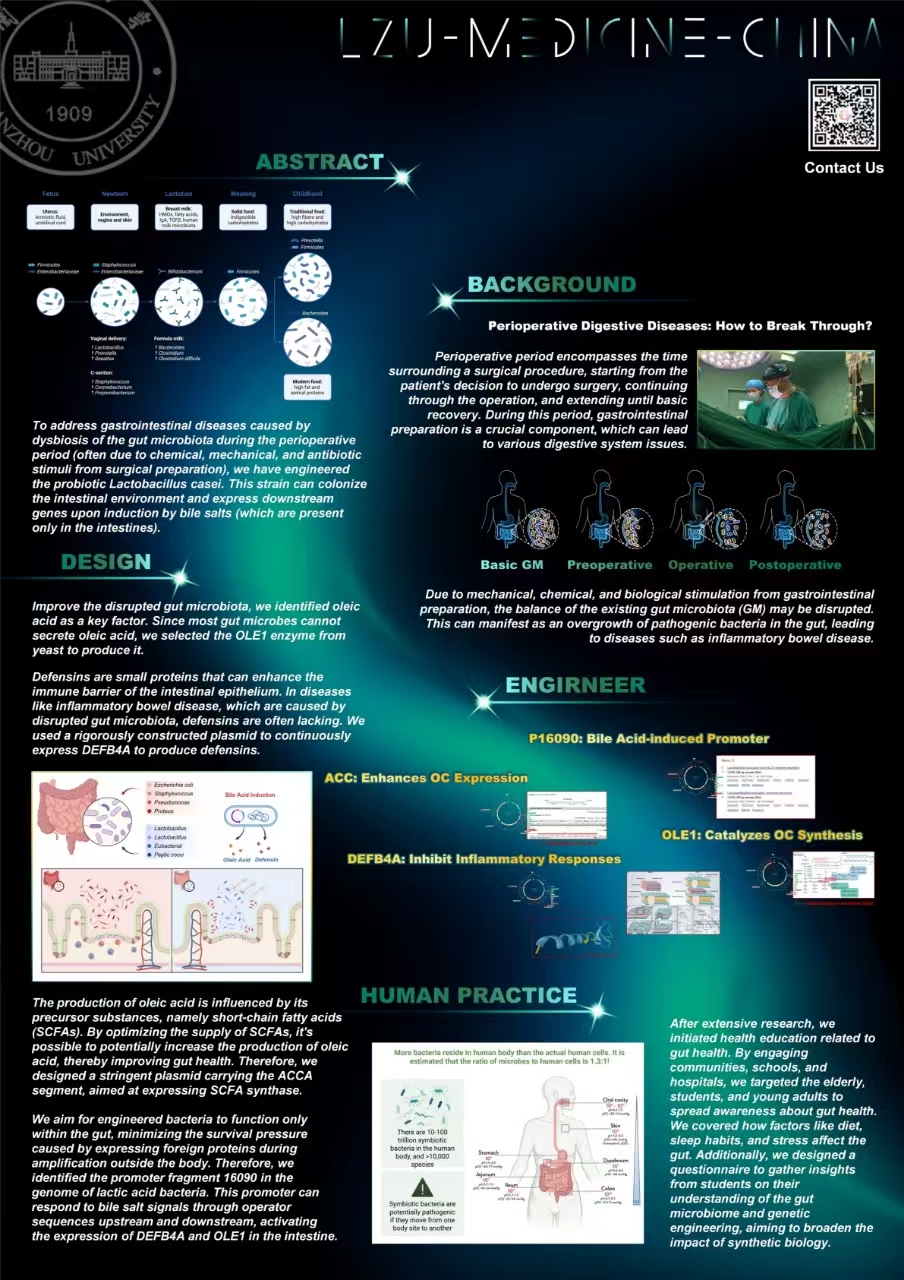
To address gastrointestinal diseases caused by dysbiosis of the gut microbiota during the perioperative period (often due to chemical, mechanical, and antibiotic stimuli from surgical preparation), we have engineered the probiotic Lactobacillus casei. This strain can colonize the intestinal environment and express downstream genes upon induction by bile salts (which are present only in the intestines).
Firstly, we recombined the OLE1 gene from yeast cells into the engineered probiotic. OLE1 is an unsaturated fatty acid synthase that enables the probiotic to convert short-chain fatty acids (SCFAs) into oleic acid. Studies have shown that oleic acid can enhance the activity of gut probiotics and inhibit the growth of pathogenic microorganisms. Additionally, we incorporated the human defensin DEFB4A sequence into another plasmid. DEFB4A is an oligomeric protein that can be expressed in prokaryotes and has the function of enhancing the intestinal mucosal barrier.
Our engineered probiotic can be used as a food additive or capsule to improve and reshape the gut microbiota, enhancing the intestinal epithelial barrier function to treat gastrointestinal diseases during the perioperative period.
Cultural Connection
Ancient Chinese medicine recognized the importance of the gastrointestinal tract early on. Medicines for treating gastrointestinal diseases were prepared using multiple herbs through “processed preparation,” achieving the core goal of “reducing toxicity while enhancing efficacy.” Drawing inspiration from this “reducing toxicity while enhancing efficacy” logic in traditional Chinese medicine, we employed modern synthetic biology techniques to create an engineered bacterium capable of improving the gut microbiome.
Our team did not select traditional E. coli probiotics as the chassis cell. As a prokaryote, E. coli retains certain pathogenicity toward humans. Replacing E. coli with lactic acid bacteria achieves the “reducing toxicity” effect. We recombined the OLE1 gene with human defensin DEFB4A into the engineered bacterium, aiming to enhance gastrointestinal activity using oleic acid converted by OLE1 and strengthen the intestinal mucosal barrier function with DEFB4A. The combination of these two genes with the chassis cell exhibits synergistic promotion, achieving the goal of “enhancement.”
Using the Chinese medicine logic of "reducing toxicity and increasing efficacy" and modern synthetic biology, our team has designed a brand new engineered bacterium that can be used as a food additive or capsule, which is excellent for improving and treating gastrointestinal disorders caused by intestinal flora imbalance in the perioperative period. Only through the organic integration of traditional culture and biological science can the path of synthetic biology truly shine.
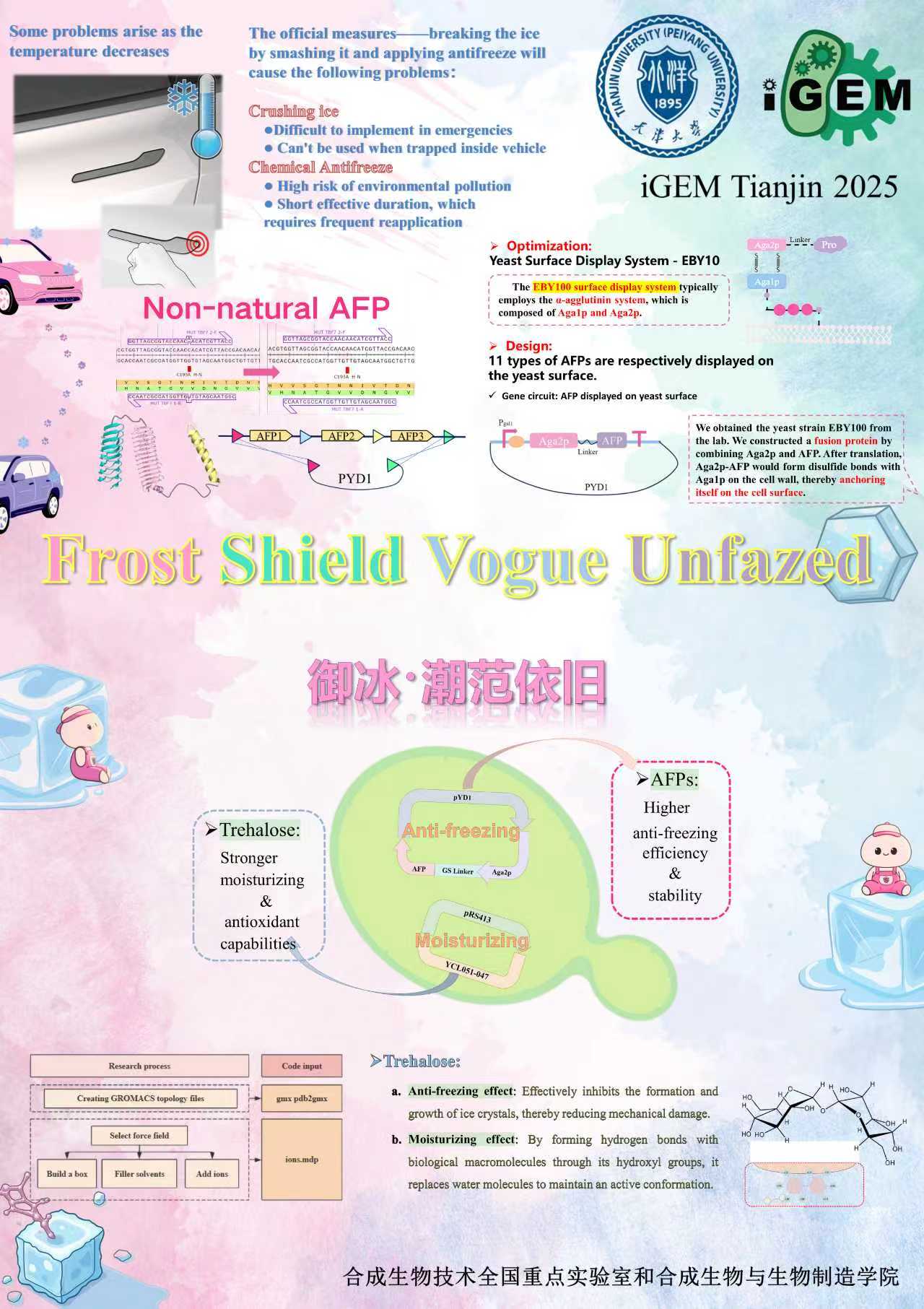
Cold weather often hinders our pursuit of beauty and fashion – whether it's car door handles frozen shut or skincare products freezing solid outdoors. Tianjin team 'KUNPENG-The Guardian of Beauty in Cold Conditions' drew inspiration from the freeze-resistance wisdom of polar organisms. Combining synthetic biology and machine learning, they designed an 'Antifreeze Protein-Trehalose Synergistic Defense System.' The team screened 11 highly active antifreeze proteins (AFPs) and integrated their coding genes with a trehalose synthesis module. This created 'antifreeze chassis cells' within a yeast surface display system. Machine learning was used to optimize the antifreeze performance of proteins and design novel antifreeze proteins. The ultimate vision is to integrate this system into cosmetic applications like creams within the fashion and beauty industry in the future.
Cultural Connection
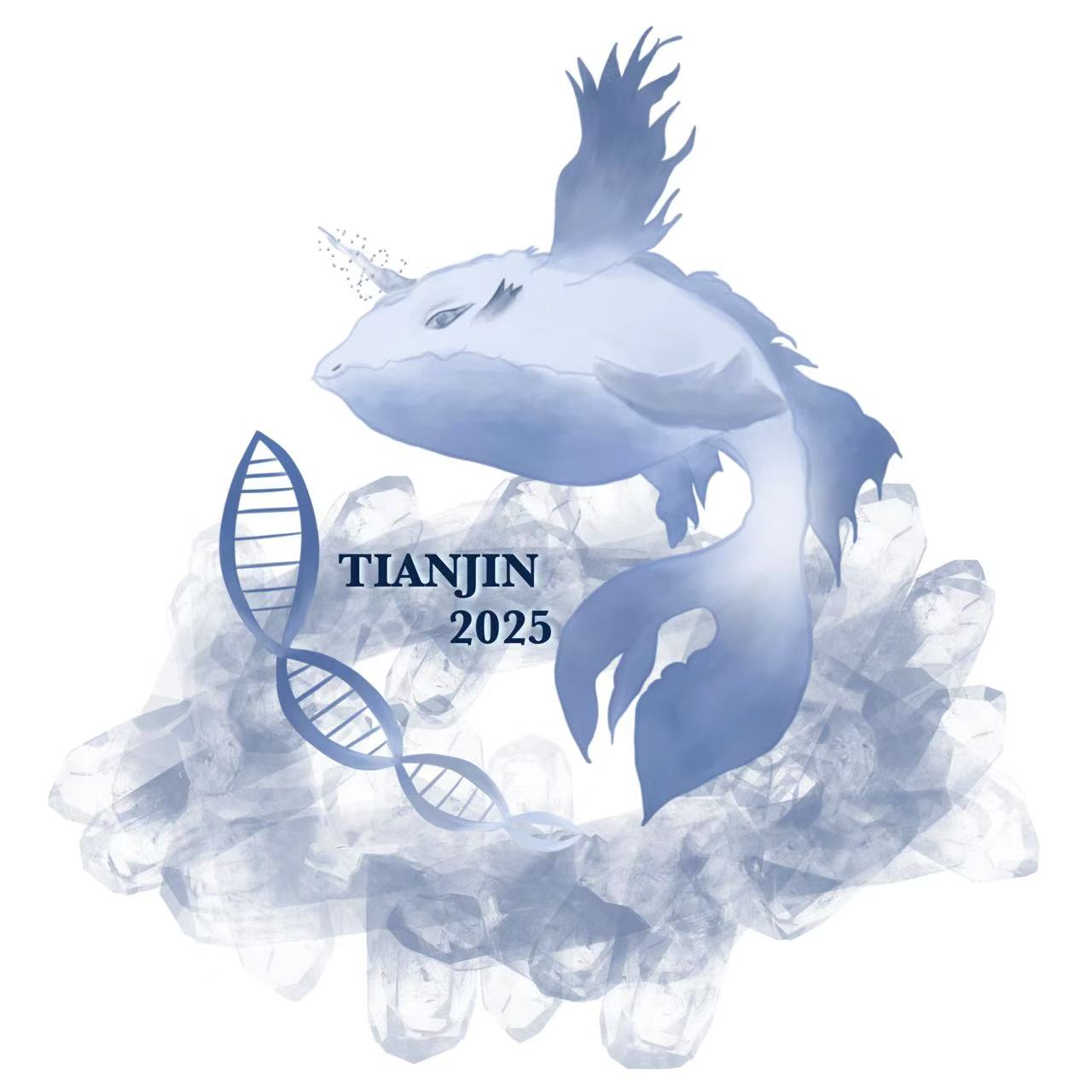
Inspired by Kunpeng, a mythical creature from Zhuangzi·Xiao Yao You, this project integrates the cultural essence of Kunpeng into modern synthetic biology—focusing on its trait of "surviving in extreme cold without fear," which aligns perfectly with the project’s core anti-freeze theme.
Direct inheritance: The project echoes Kunpeng’s spirit of breaking constraints and reflects its cold resistance. Abandoning flaws of traditional anti-freeze methods (impractical physical ice-breaking, polluting and short-lived chemical reagents), it uses genetic engineering to modify microbes for biosynthesizing antifreeze proteins (AFPs), offering eco-friendly, long-lasting solutions to cold-related fashion issues—just as Kunpeng resists cold with its own abilities, not temporary external means.
Method inspiration: Technical ideas come from Kunpeng’s transformation. Introducing trehalose metabolic pathways into microbial strains which mirrors Kun "storing strength in cold water” lays the foundation; then displaying 11 AFPs on EBY100 yeast surface via disulfide bonds, forming functional "Peng" form; optimizing AFPs through point mutation, domain rearrangement and Cre recombination is like Peng "sharpening wings to enhance cold resistance," replicating the logic of "adapting to cold via self-evolution."
Metaphor explanation: The project’s vision connects to Kunpeng’s image of "lofty aspirations and cold fearlessness." Its eco-friendly solution fits Zhuangzi’s concept of "harmonious coexistence with nature," turning Kunpeng—a cultural symbol of cold-resistant resilience—into a driver for sustainable anti-freeze innovation.
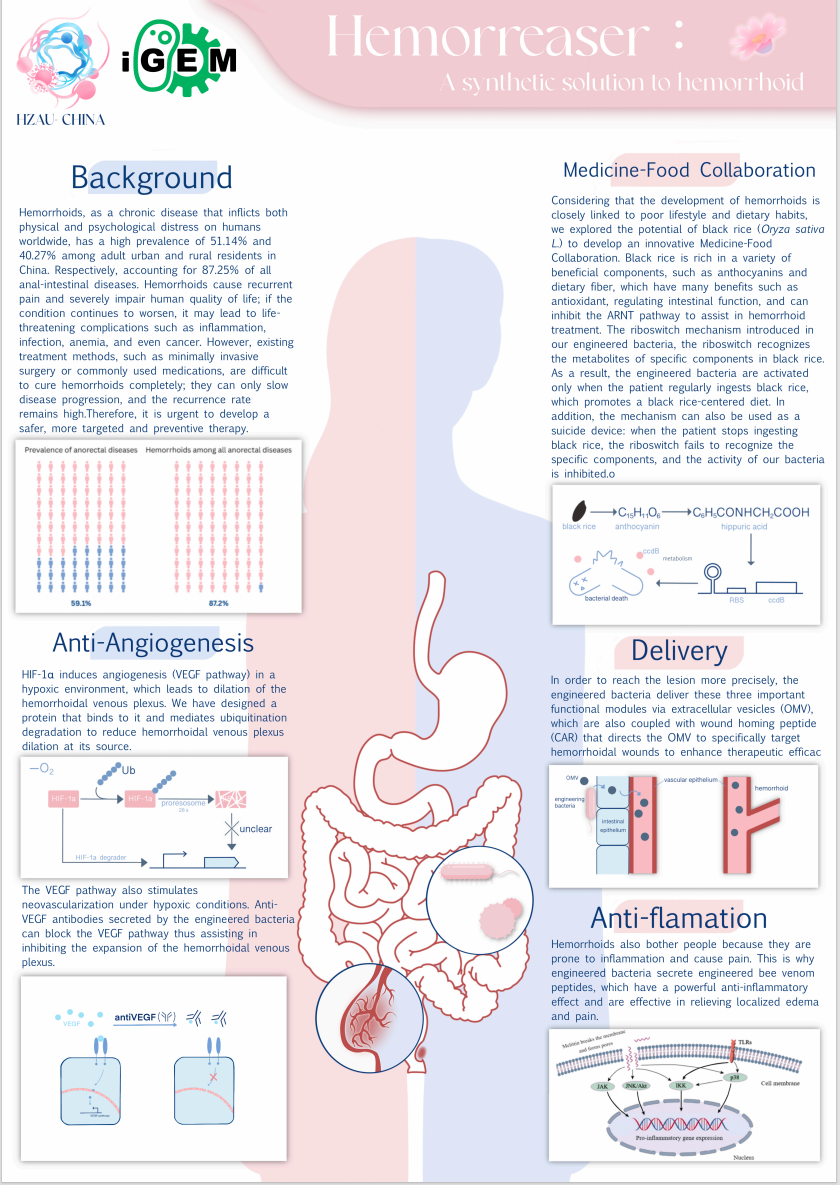
As a common chronic disease in the world, hemorrhoids has a high prevalence in our country, and pregnant women are particularly susceptible. Existing therapies include anti-inflammatory drugs, analgesics, and minimally invasive surgery, which have certain efficacy, but may have problems such as full side effects, overtreatment, contraindications and low compliance in pregnant women, and it is difficult to accurately regulate angiogenesis and inflammatory response. In order to overcome the existing limitations, we have designed innovative therapies based on the engineered bacterial OMV delivery system. Engineered bacteria can degrade HIF-1α protein, anti-VEGF antibodies and engineered melitian peptides through OMV targeted delivery, which can synergistically inhibit hemorrhoidal venous plexus dilation and alleviate local inflammation. At the same time, the project introduces a black rice ribose switch control loop to realize the cooperation between medicine and food, so that the engineered bacteria can be specifically activated after ingestion of black rice, taking into account both treatment and healthy diet intervention. In addition, we have developed topical drug regimens to enhance anti-inflammatory effects and form a systematic treatment system. This strategy provides a precise, safe, and sustainable new solution for hemorrhoid treatment.
Cultural Connection
Our project—HemorrEaser—is built on the idea of starting from diet, using food-derived metabolites to activate engineered bacteria for the treatment of hemorrhoids. In Chinese traditional culture, diet is not only a means of sustaining life but is also endowed with the function of nurturing health and preventing disease. Ancient scholars emphasized the principle of “Food & Medicine Homology” (yao shi tong yuan), highlighting the role of grains and herbs in maintaining balance within the body. Inspired by this philosophy, we examined its relevance to modern medicine. However, our research revealed that dietary therapy alone is insufficient to meet contemporary therapeutic demands. Therefore, our team proposes a new concept—"medicine–food collaboration”—in which food and medicine work hand in hand: diet provides the activating signals, while engineered bacteria serve as the therapeutic agents, creating a synergistic effect.
This approach preserves the traditional wisdom of “using food as nourishment”, while simultaneously introducing the modern tools of synthetic biology, thereby building new bridges between diet and health. At a deeper level, it also reflects cultural values of collaboration and harmony, symbolizing the transition from “blockage to flow” and echoing the belief that smooth circulation alleviates pain. Thus, Hemorreaser is more than just a medical project; it represents an innovative practice that integrates the heritage of traditional culture with the power of modern biotechnology.
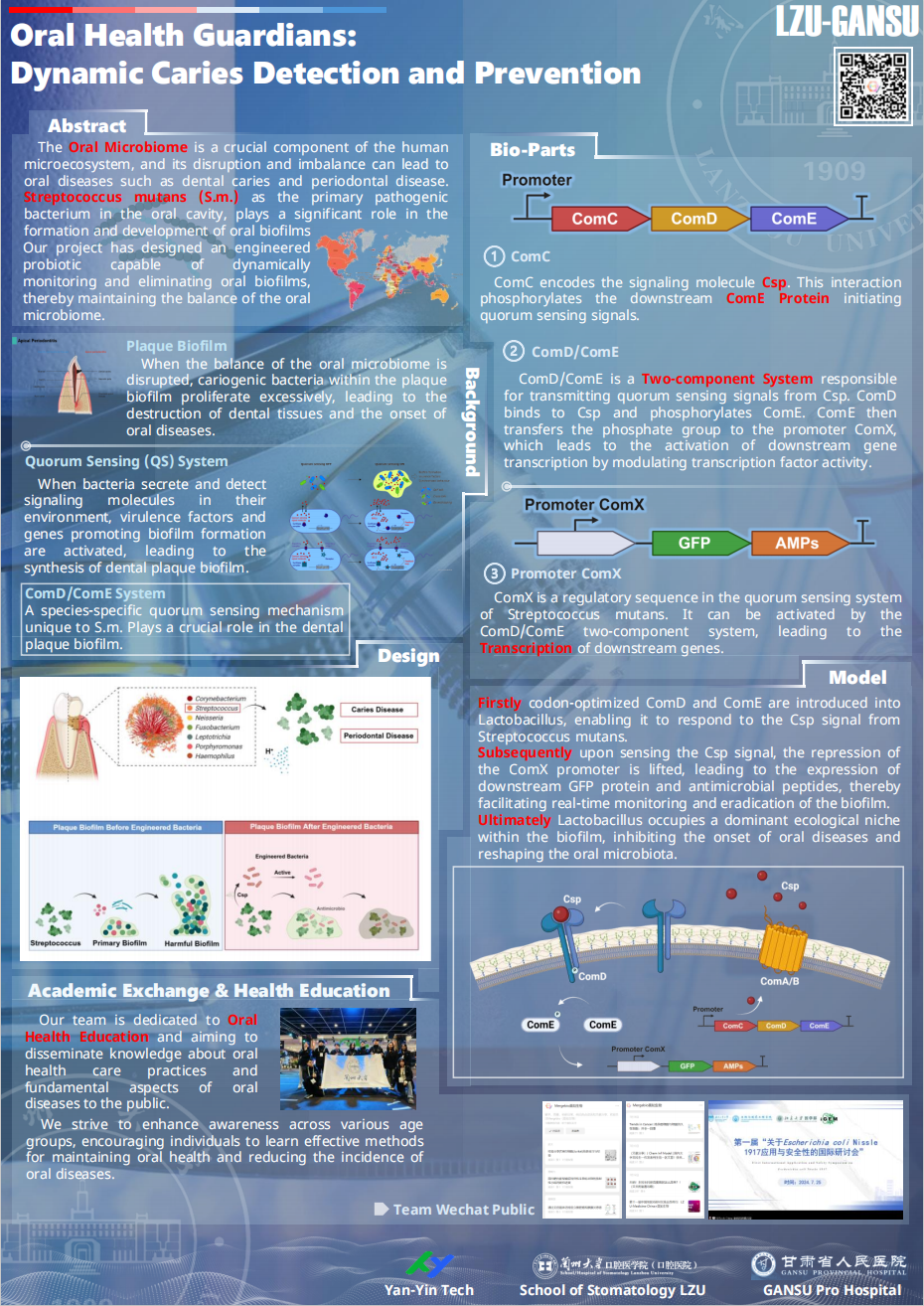
We have designed a genetically edited Lactobacillus strain for the prevention and treatment of dental caries, and restore the balance of the oral microbiota. These engineered Lactobacillus bacteria are capable of detecting quorum sensing signals from cariogenic bacteria within the oral microbiome. They integrate into the biofilms formed by harmful bacteria and secrete antimicrobial substances, disrupting the structure and function of these biofilms. This approach facilitates the biological control of dental caries and other oral diseases. We will employ the quorum sensing system sequences from Streptococcus mutans (S.m.) and, after codon optimization, introduce them into Lactobacillus to enable responsiveness to S.m.'s quorum sensing signals. Specifically, we obtained the complete genome sequencing information of S.m. from the NCBI database and identified the coding segments corresponding to the quorum sensing system in a research paper. These include the sequences ComD, ComE, and the promoter ComX. ComD and ComE form a two-component system that detects the extracellular Csp signaling molecules (originating from S.m.). Subsequently, the promoter ComX initiates the transcription of downstream genes, including the green fluorescent protein (GFP) fragment and an antimicrobial peptide fragment.
To evaluate the functionality of the engineered Lactobacillus, we will co-culture it with S.m. to assess its antimicrobial efficacy and ability to inhibit detrimental biofilm formation. By observing whether the Lactobacillus can effectively respond to the quorum sensing signals of S.m. and reduce biofilm formation, we can validate the effectiveness of its modification.
Cultural Connection
This project, while firmly grounded in modern synthetic biology, shares a profound conceptual kinship with traditional cultural wisdom. Its core principle—using a beneficial organism to naturally counteract a harmful one—directly echoes ancient philosophies of balance, such as the Chinese concept of Yin and Yang, which emphasizes how opposing forces are interconnected and can be harnessed to achieve harmony within a system. In this case, the oral microbiome.
The methodology is inspired by traditional strategic thought. Instead of employing a blunt, aggressive attack on harmful bacteria (akin to using overwhelming force), our engineered Lactobacillus operates with the subtlety and precision of a strategic intervention. It integrates into the enemy's ranks (the biofilm), understands its communication (quorum sensing), and then disrupts it from within. This mirrors ancient military strategies that valued intelligence, infiltration, and disrupting an opponent's cohesion over direct confrontation.
Metaphorically, the project can be seen as a form of biological "guardianship." The engineered bacteria act as benevolent sentinels placed within the oral ecology. They constantly monitor the environment, and only when they detect the specific signals of disease (the "rebellion" of pathogenic bacteria) do they activate their defense mechanisms to restore order and health. This reflects a deep-seated cultural preference for proactive, intelligent guardianship that maintains harmony and prevents crisis, rather than merely reacting to it.
In summary, we use synthetic biology to create a beneficial bacterial guardian that restores natural balance in the oral microbiome, an approach inspired by ancient philosophies of harmony and strategic intervention.
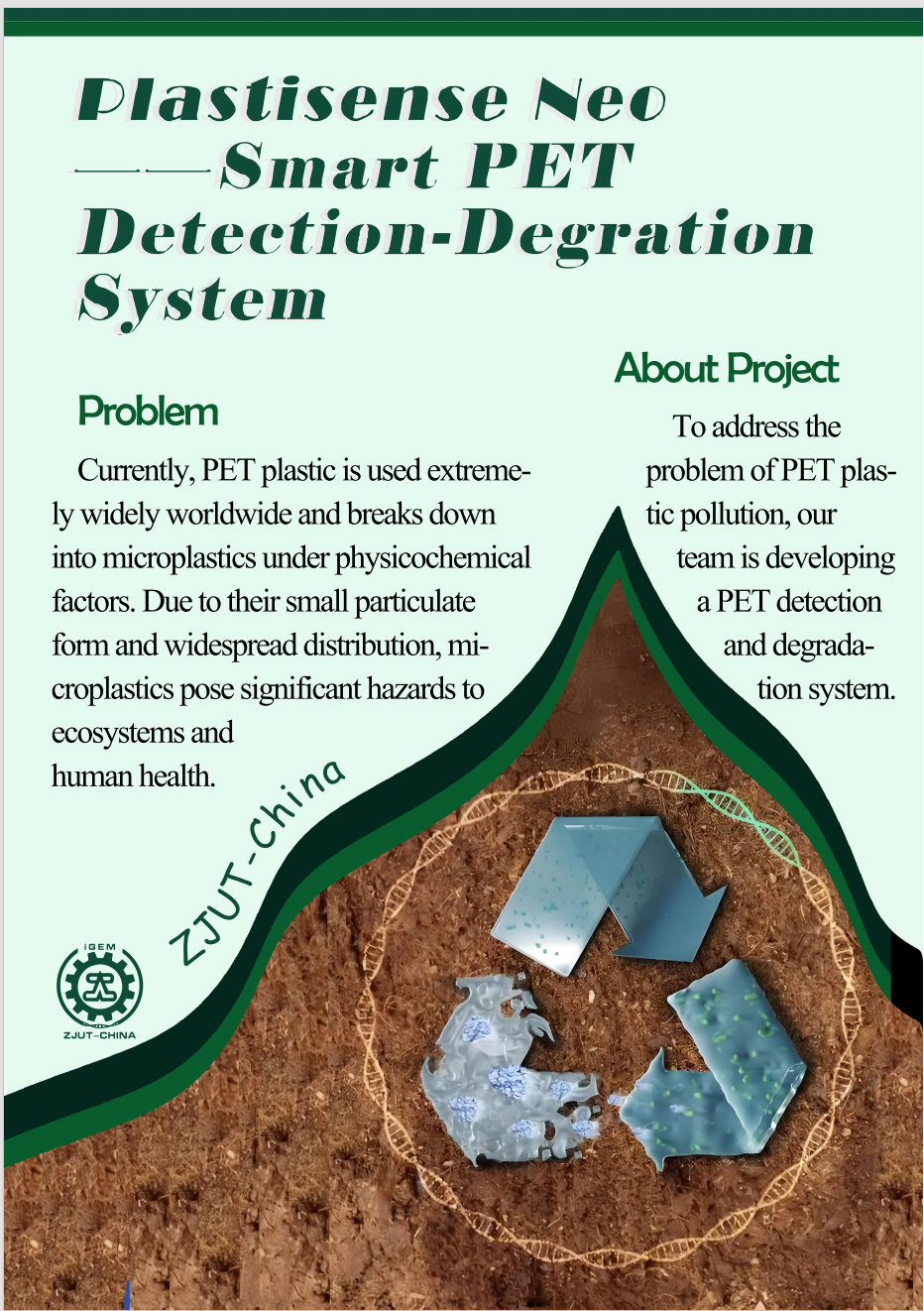
The ZJUT-China team focuses on microplastic pollution, creating an integrated "detection-degradation-safety control" solution. Using E. coli as a chassis organism, we engineered it for dual functionality. In the detection module, we utilize the CBM3a protein from Clostridium thermocellum. Using its PET-binding property, we surface-displayed it on engineered bacteria with fluorescent labeling. This allows the bacteria to bind PET when present, enabling pollution visualization through fluorescence. For the degradation module, we employ a surface-cascade display of PETase and MHETase for enzymatic breakdown. We will later test more efficient enzymes to enhance degradation efficiency and achieve in situ degradation. Additionally, considering biosafety, we are designing a glycol-inducible self-lysis system. Ultimately, we aim to convert the degradation product TPA into the drug tamibarotene, turning waste into valuable resources!
Cultural Connection
Our iGEM project is dedicated to the detection and degradation of microplastics, drawing profound inspiration from the ancient Silk Road—a historically rich network of trade and cultural exchange. Just as the Silk Road connected civilizations through shared knowledge and resources, synthetic biology enables us to bridge traditional wisdom with modern innovation. For instance, ancient Chinese techniques for breaking down natural materials—such as the use of microbial fermentation in traditional practices—conceptually align with our engineered bacteria designed to decompose microplastics.
To draw an analogy, our bioremediation system echoes the spirit of cross-border collaboration and problem-solving that defined the Silk Road. By integrating biosensors inspired by natural biological “Silk Roads,” such as cellular signaling pathways, we address global pollution challenges while honoring this legacy. The project embodies a dialogue between the past and the present: leveraging ancient ecological insights to pioneer sustainable solutions for the future.
Expanding on this vision, we are developing a multi-layered biological system that not only detects microplastic contamination with high specificity through sensitive protein-based receptors, but also utilizes enhanced enzymatic pathways to break down plastics into harmless byproducts. This approach is inspired by historical methods where natural microorganisms were employed in processes like composting and textile degradation—practices with roots in ancient East Asian cultures. Furthermore, the modular design of our system allows for adaptability and scalability, reflecting the Silk Road’s role in facilitating adaptable and resilient exchanges across diverse regions.
By framing our solution within a historical and cultural context, we aim to highlight how biological innovation can be deeply rooted in human heritage while addressing contemporary environmental crises. Ultimately, this project is not only a technical effort but also a tribute to the timeless spirit of cooperation and ingenuity that the Silk Road represents.
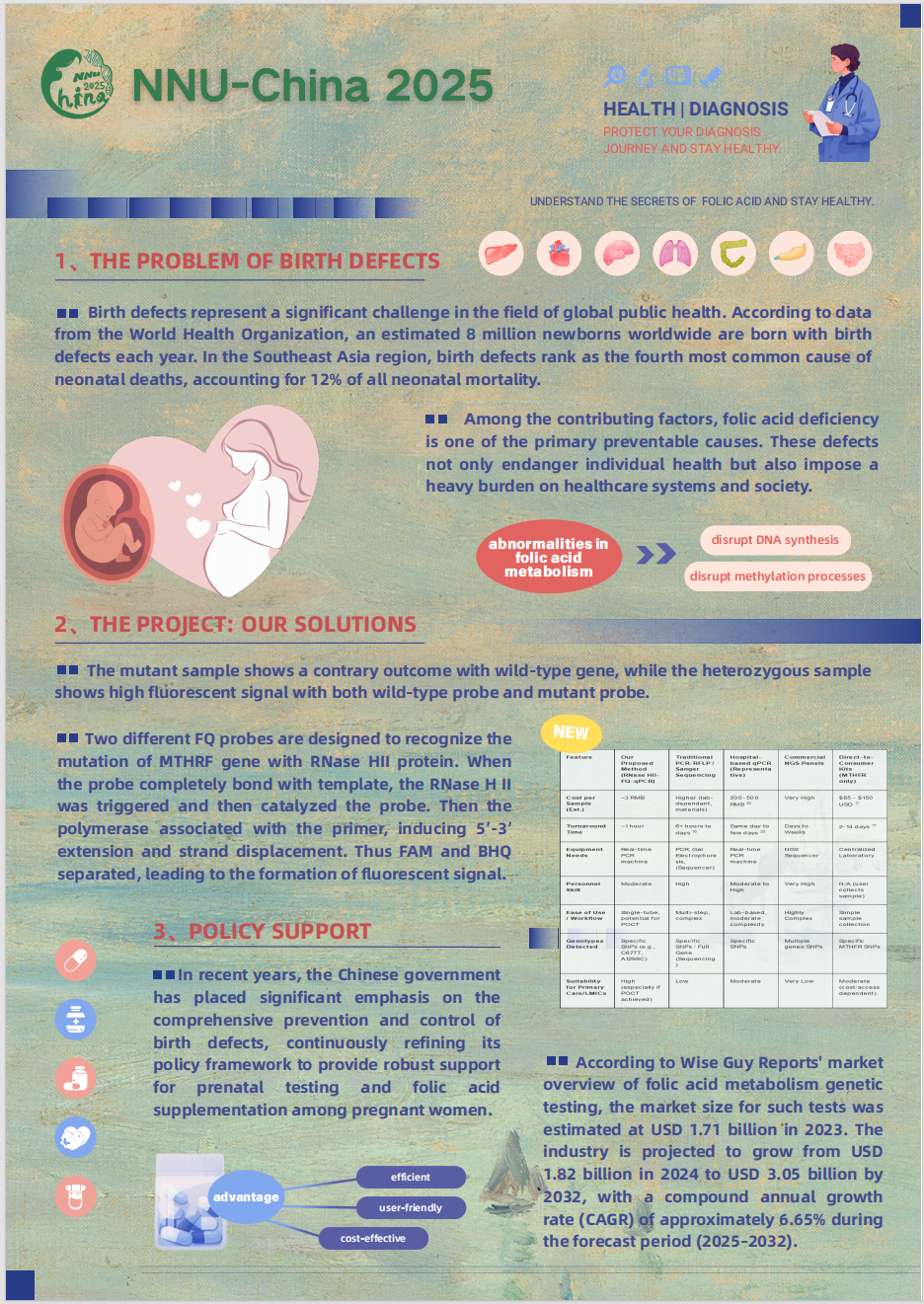
To respond to the national policy of better births and better upbringing of children and promote the development of prenatal testing technology, our project focuses on the monitoring of folic acid levels in pregnant women and designs an efficient detection plan for the MTHFR gene SNP. Folic acid deficiency can easily lead to congenital defects such as neural tube defects in the fetus, and MTHFR gene mutations affect folic acid metabolism. The study employed RNase H II enzyme and single-base probe technology to distinguish wild-type, heterozygous and homozygous mutant genes through fluorescence signals, achieving high-precision detection. This technology will be integrated into convenient test strips, requiring no complex equipment. It is suitable for areas with scarce medical resources, significantly reducing costs and greatly improving the efficiency of folate testing, thus effectively facilitating the popularization of the national policy of better births and better upbringing of children.
Cultural Connection
The classic of traditional Chinese medicine, the "Huangdi Neijing", states that "the best doctors prevent diseases before they occur", meaning that the most skilled doctors are those who can intervene and prevent diseases before they occur. This concept of prevention first is deeply rooted in Chinese culture. The core of our project is precisely "preventing diseases before they occur". Through folic acid diagnosis, potential risks caused by folic acid deficiency in pregnant women (such as neural tube defects in newborns) can be accurately predicted before they occur, and personalized folic acid supplementation plans can be provided. This is not merely "prevention", but "precise prevention", which is the application of synthetic biology technology to practice the thousand-year-old wisdom of "preventing diseases before they occur".
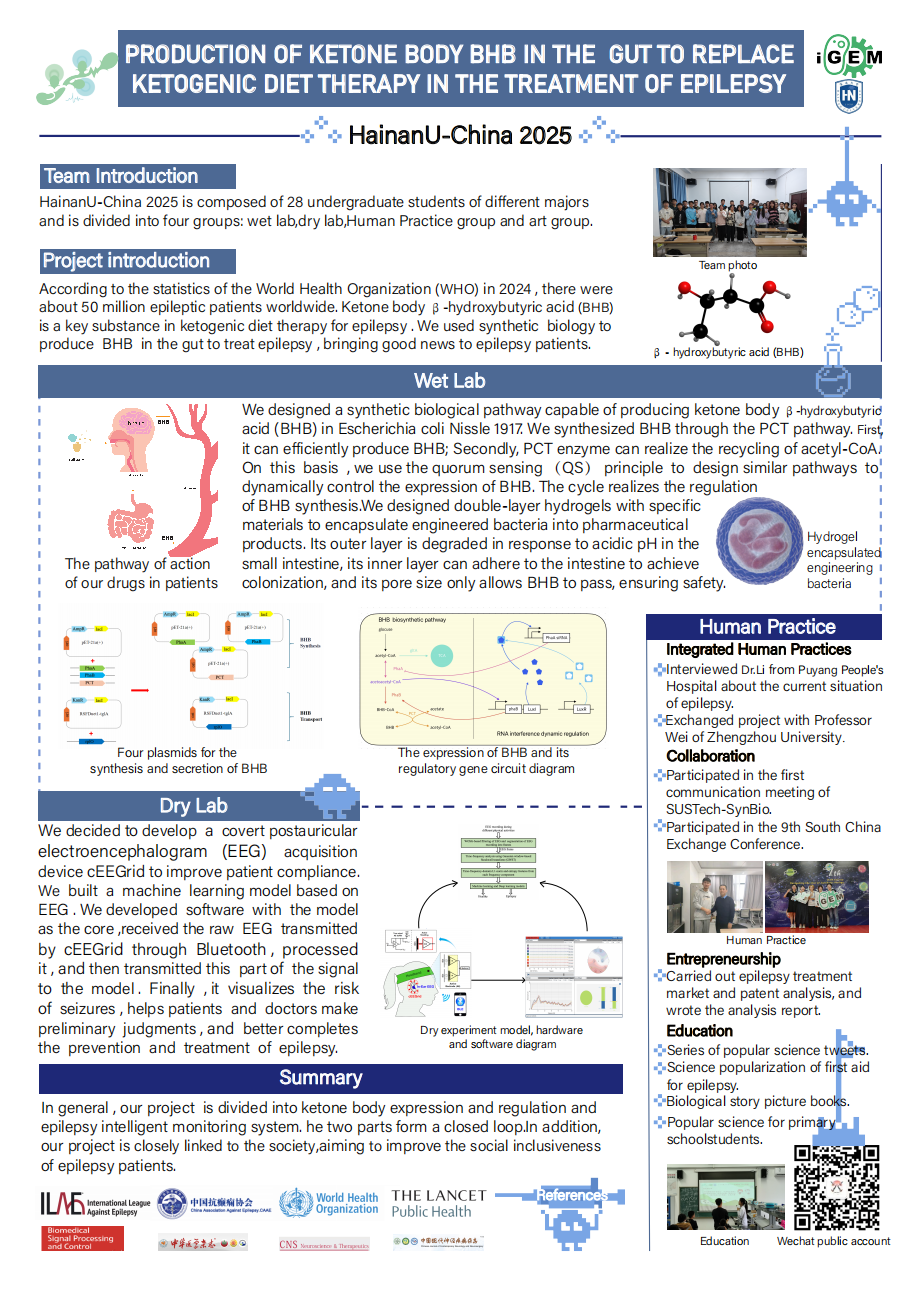
Epilepsy is one of the most common chronic brain diseases worldwide, which can triple the risk of premature death for patients. Ketogenic diet therapy is a relatively long-term and effective treatment. The process of liver ketogenesis may lead to side effects such as ketoacidosis. To this end, we designed a pathway capable of producing ketone body β - hydroxybutyric acid (BHB) in Escherichia coli Nissle1917 and designed a dynamic regulatory module. We use double-layer hydrogel to wrap the engineered bacteria and colonize them in the intestinal tract, while ensuring safety. We have developed a concealed behind the ear EEG acquisition device cEEGrid to improve patient compliance. We have also developed software that can receive and process raw EEG transmitted through cEEGrid via Bluetooth (with our epilepsy disease monitoring and prediction model as the core), visualizing the risk of epileptic seizures. This project aims to achieve the prevention and treatment of epilepsy through innovative methods, and care for vulnerable groups with epilepsy.

Cultural Connection
Our epilepsy prevention and treatment program, while pursuing the frontier of science and technology, is also deeply rooted in the excellent traditional Chinese culture and has a deep and organic connection with it.
In terms of therapy concept, the concept of "food and medicine homology" in traditional Chinese medicine emphasizes diet to regulate the internal organs, and the inspiration of the project is the ketogenic diet to control metabolism and inhibit neuronal abnormalities with high fat and low carbon, which is the exposition of this idea. The intestinal colonization engineering bacteria technology developed by the team bypasses liver ketogenesis and reduces side effects, which is in line with the ancient thinking of "reducing toxicity and increasing efficiency", and effectively realizes the combination of traditional and modern technology.
In the monitoring system, we are inspired by traditional Chinese medicine to "treat diseases before they occur" and "see the details", not limited to the moment of attack, but through intelligent wearable devices and algorithms, to achieve long-term and holistic analysis of EEG signals, and transform the ancient early warning philosophy into calculable data and audible alarms.
Epilepsy is often misunderstood as "evil spirit" in ancient times. Historically, from Emperor Wu of the Han Dynasty to Bai Juyi, many great men have been shrouded in the haze of epilepsy. Today we stand on the shoulders of modern medicine, and we should neither deify the disease nor stigmatize the patient. May everyone correctly understand epilepsy diseases, care for epilepsy patients, every state of life is worthy of respect, and the significance of science and technology lies in gently guarding every uniqueness.
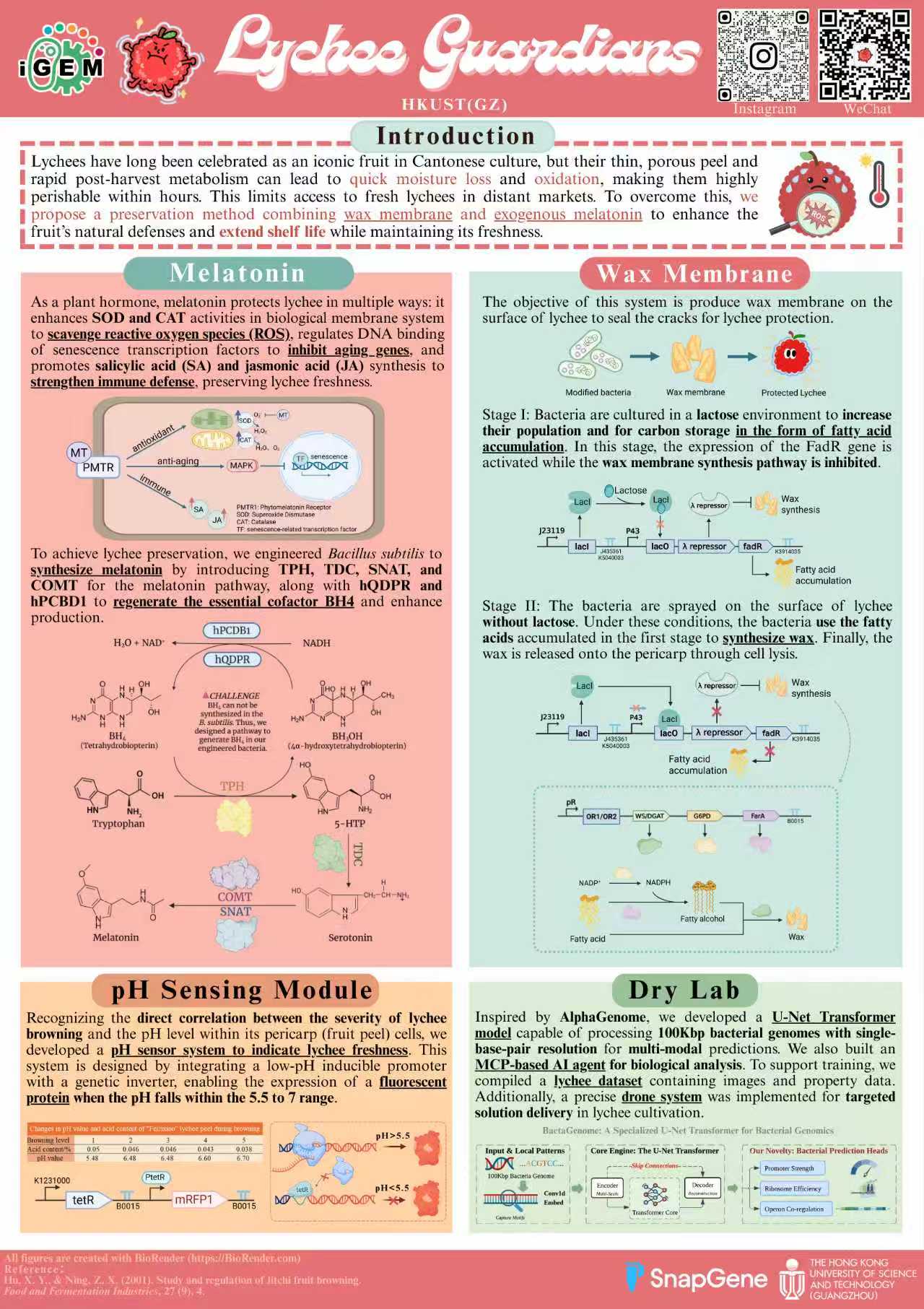
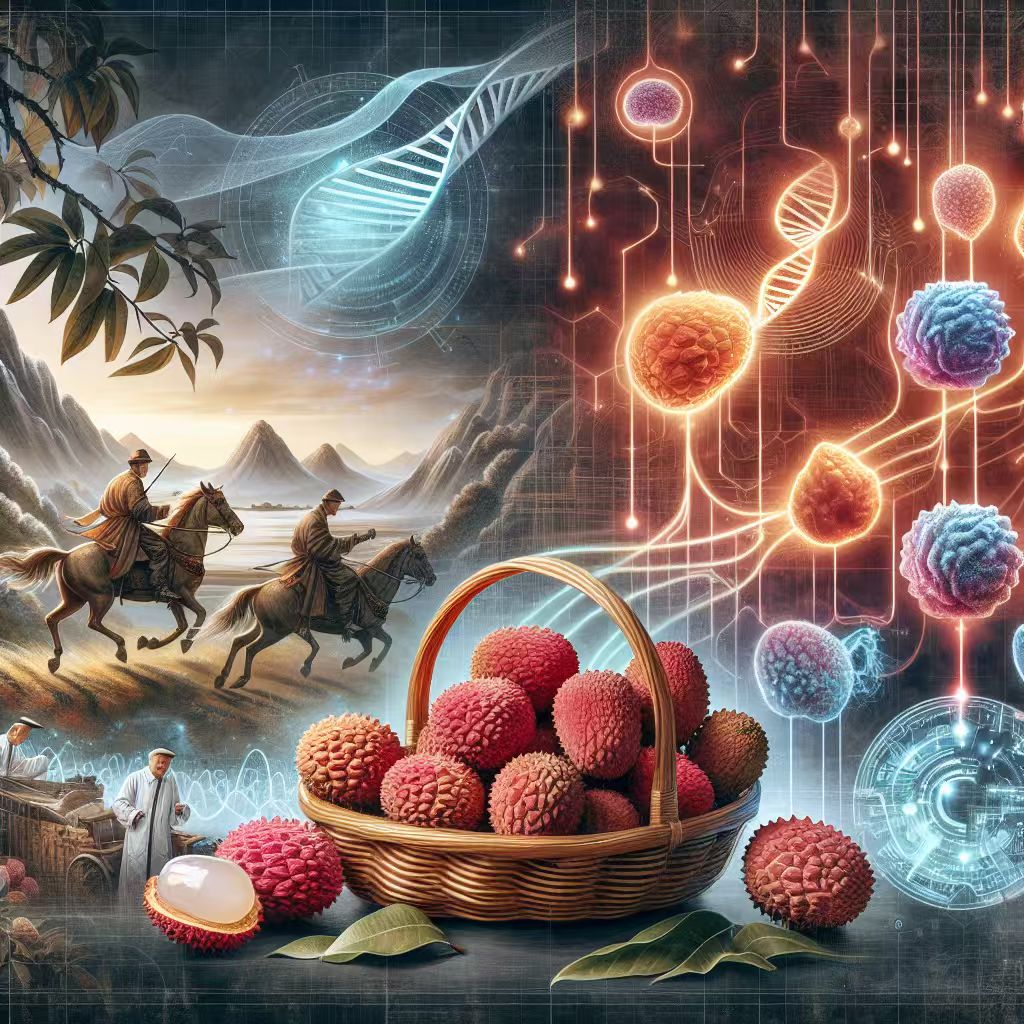
Lychees are a beloved fruit in Cantonese culture, but they spoil very quickly after harvest because of their thin skin and fast metabolism. This makes it difficult to transport them over long distances while keeping their freshness. Our project, Lychee Guardians, aims to solve this problem by combining natural protection with synthetic biology. First, we use engineered bacteria to produce melatonin, a plant hormone that slows down aging, reduces damage from oxidation, and boosts the fruit’s natural defenses. By applying melatonin, we help lychees stay fresh for longer. Second, we designed a system for bacteria to create a protective wax coating on the fruit’s surface. This wax acts like a natural shield, reducing water loss and preventing cracks in the skin that lead to faster spoilage. To monitor freshness, we also built a pH sensor module that glows when the lychee starts to become less fresh, offering a simple way to track quality. On the computational side, we used AI tools to analyze genetic data and create a lychee dataset that helps improve our preservation system. Through these approaches, we hope to extend the shelf life of lychees and make this treasured fruit more widely available around the world.
Cultural Connection
The lychee has long been more than just a fruit—it is a symbol deeply rooted in Lingnan culture and history. In ancient times, fresh lychees were carried over 2,500 kilometers from Guangdong to Chang’an, the imperial capital, to delight the royal court. This journey was so famous that the Tang poet Du Mu wrote, “A steed raising red dust wins the concubine’s smile; no one knows it was for a lychee.” Yet behind the romance was a race against time: lychees, known for changing color in one day, losing aroma in two, and flavor in three, often spoiled before reaching their destination. Ancient people devised clever methods—sealing fruits in bamboo tubes, cooling them with ice jars, or coating them with beeswax — but these were limited by climate, distance, and technology.
Our iGEM project, Lychee Guardians, draws inspiration from this history. Just as our ancestors sought ways to preserve the fleeting freshness of the lychee, we apply modern synthetic biology to achieve the same goal in more scientific and sustainable ways. By engineering bacteria to produce melatonin, we slow down aging and oxidation in the fruit. By designing microbes that generate a protective wax layer, we create a biological shield against water loss and pathogens. In addition, our pH sensor provides a visual signal of freshness, echoing the ancient wisdom of observing subtle changes in the fruit.
In this way, our project forms a dialogue between past and present: ancient couriers once relied on human endurance and natural tricks, while we rely on biological engineering and AI tools. Both share the same cultural desire — to preserve what is precious. Through Lychee Guardians, we hope to honor traditional ingenuity while offering a forward-looking solution that allows the beloved lychee to travel farther and last longer in today’s world.
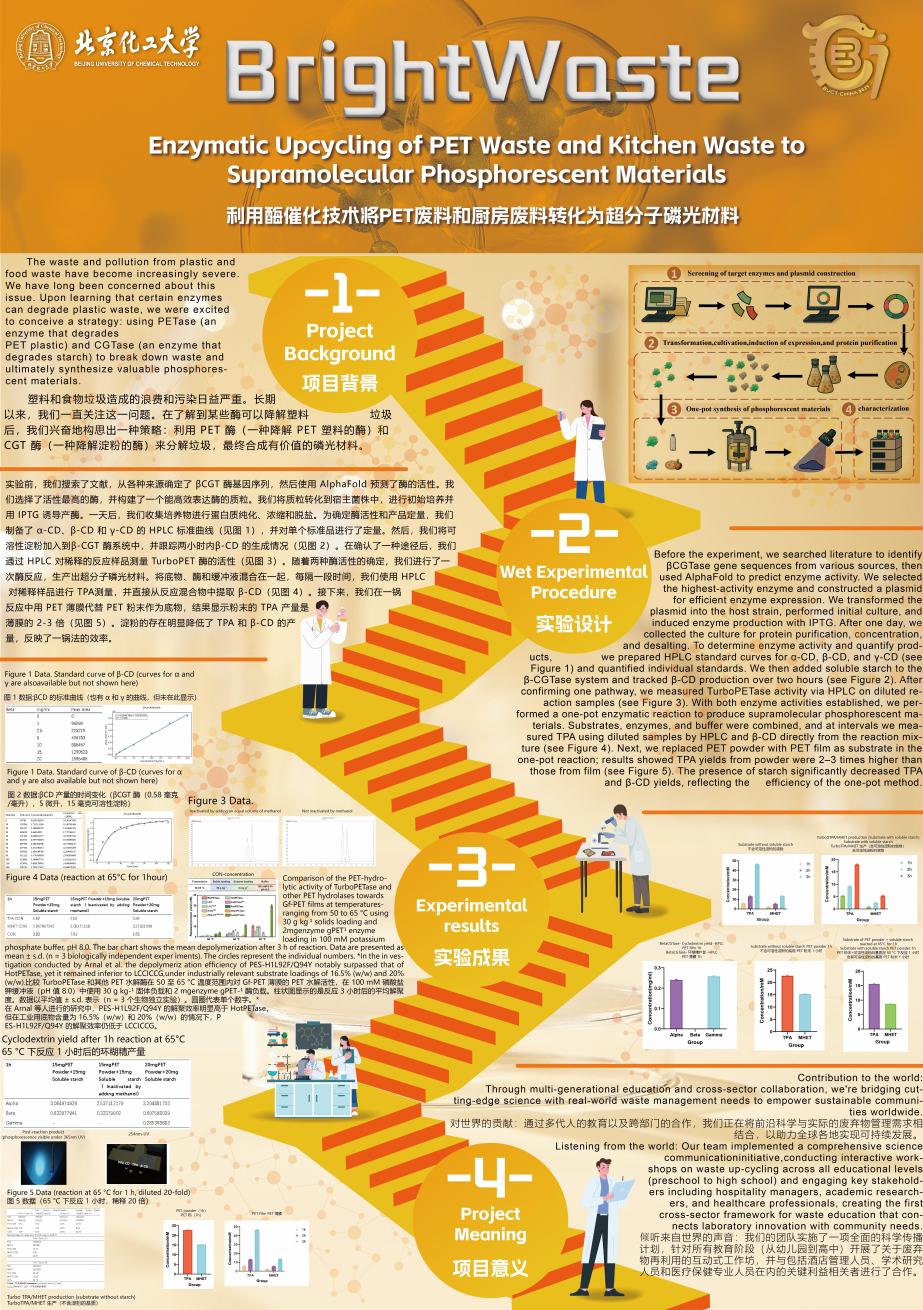
According to global statistics, approximately 242 million tons of plastic waste are generated annually, accounting for 12% of total municipal solid waste. Meanwhile, starch constitutes about 49.6% of food residues, and improper disposal leads to severe resource waste and environmental pollution. To address these challenges, our BUCT-China presents BrightWate, a synthetic biology-based solution that upcycles both types of waste into a value-added luminescent material.
The project involves two key enzymatic conversions: PETase degrades polyethylene terephthalate (PET) into terephthalic acid (TPA), while cGTase converts starch-rich food waste into β-cyclodextrin (β-CD). These two components subsequently self-assemble into the supramolecular compound PPA-CD, which exhibits persistent luminescence and room-temperature phosphorescence.
Due to these unique optical properties, PPA-CD shows promising potential in anti-counterfeiting, fluorescent labeling, and other advanced material applications. By integrating enzymatic degradation, molecular assembly, and sustainable material design, BrightWate provides a dual-purpose solution for waste valorization and functional material production, showcasing the transformative power of synthetic biology in addressing global environmental and material challenges.
Cultural Connection
Chinese traditional culture has long embodied the ecological wisdom of "transforming waste into treasure," a philosophy deeply ingrained in ancient philosophical and artisanal practices. As stated in Zhuangzi·Knowledge Wanders North, "all things are in a constant state of transformation," revealing the natural principle of material conversion and cycles. The Ming Dynasty text Tiangong Kaiwu documented techniques for repurposing waste materials—such as crafting bricks from rice husks and paper from straw—showcasing the ancient practice of "making the best use of everything." Today, BUCT-China’s BrightWaste project stands as a modern scientific and engineering response to this Eastern philosophy.
Using synthetic biology as its brush, the project paints a new chapter of "transforming decay into magic": PETase enzymes break down plastic into terephthalic acid (TPA), while cGTase enzymes convert starch from food waste into β-cyclodextrin (β-CD). These two components self-assemble into PPA-CD supramolecular materials with long-afterglow luminescence properties. This process mirrors the technological realization of the ancient legend of "turning stone into gold" — not only significantly reducing the environmental burden of waste but also converting it into high-value functional materials for applications such as anti-counterfeiting labels and fluorescent tags.
Where artisans of the past used ingenuity to repurpose waste, scientists today employ enzymatic catalysis to breathe new life into trash. BrightWaste both extends the ecological ethics of "frugality and recycling" inherent to Chinese civilization and addresses contemporary sustainable development needs through innovative technology. It stands as a exemplary fusion of ancient wisdom and modern scientific innovation.
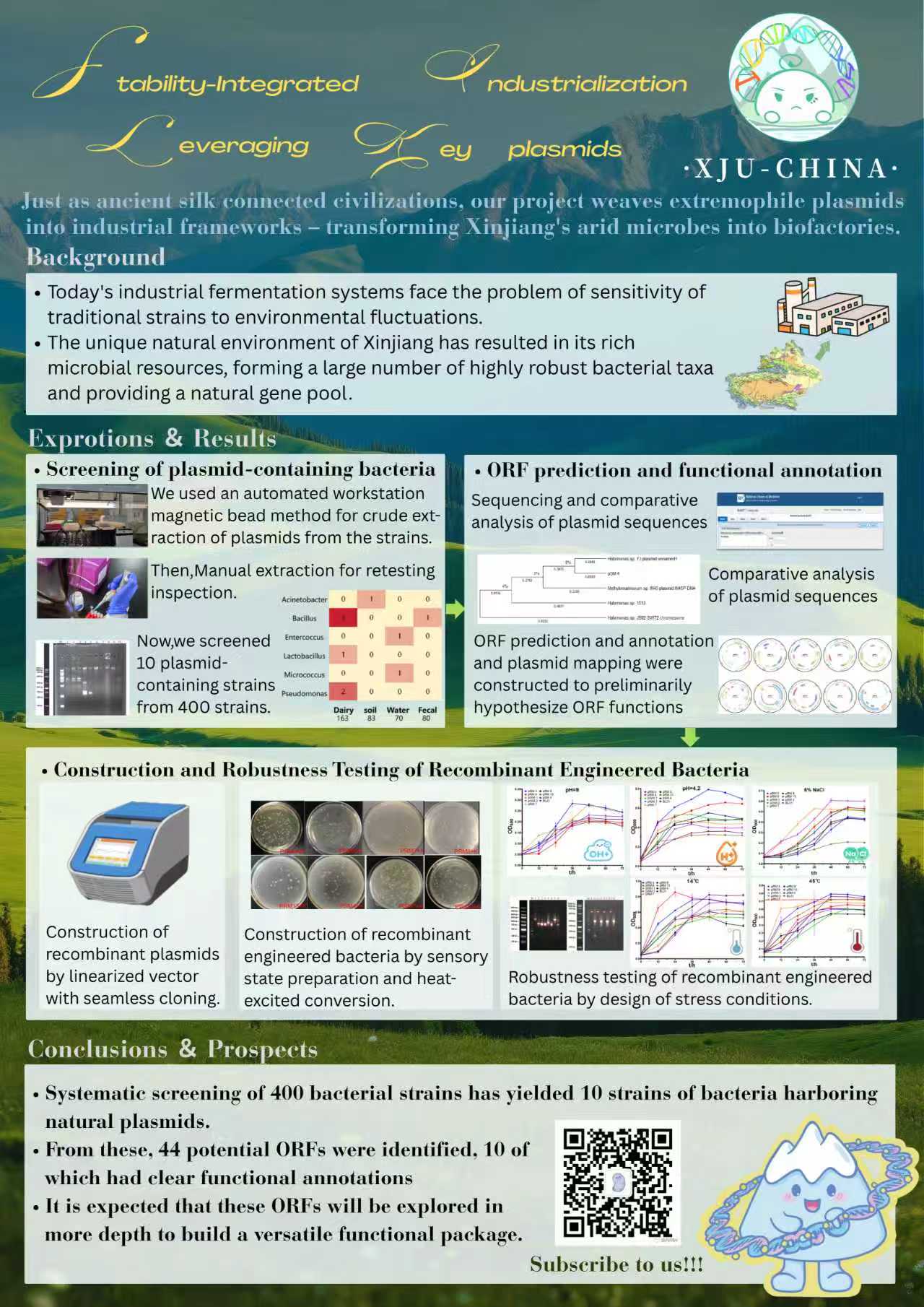
The SILK project (Stability-Integrated Industrialization Leveraging Key plasmids) addresses the critical challenge of environmental sensitivity in industrial fermentation by harnessing Xinjiang’s extremophilic microbial resources. Xinjiang’s arid landscapes, extreme temperature fluctuations, and saline-alkaline soils have fostered highly robust bacterial taxa, encoding natural plasmids with evolved stress-resistance mechanisms. Our team isolates and sequences these plasmids to identify functional genetic elements (e.g., thermotolerance, pH stability), then constructs standardized expression modules for industrial strains. By integrating nature’s evolutionary solutions into biofactory frameworks, SILK aims to enhance fermentation stability, reduce energy costs for environmental control, and expand synthetic biology’s toolkit for extreme-condition applications—transforming Xinjiang’s "microbial silk" into industrial resilience.
Cultural Connection
Just as the ancient Silk Road wove together civilizations through the exchange of goods, knowledge, and resilience, the SILK project threads Xinjiang’s extremophilic plasmids into the fabric of industrial biotechnology—hoping to create a "modern genetic Silk Road" that bridges natural adaptation and human innovation. Xinjiang, a historic hub of the Silk Road, has long been a crossroads where environmental harshness spurred biological and cultural resilience; its microbes, like the traders of old, have evolved "survival strategies" (encoded in plasmids) to thrive amid aridity and extremes.
This project directly draws inspiration from the Silk Road’s core principles: connection, adaptation, and sustainability. Where merchants once transported silk—a material valued for its strength and versatility—we transport plasmids: molecular "silk threads" of DNA that encode multi-gene stress resistance, offering industrial strains the same adaptability that allowed Silk Road communities to flourish in diverse climates.
Metaphorically, the plasmid’s circular structure mirrors the Silk Road’s cyclical exchange of ideas, while its modular genetic elements reflect the road’s modular trade networks—each gene, like a traded commodity, contributing unique value to the whole. By preserving and repurposing Xinjiang’s microbial heritage, we honor the region’s legacy as a cradle of resilience, proving that just as silk transformed global commerce, these "genetic silks" can transform industrial sustainability. In doing so,may the SILK redefines "biological trade" for the 21st century: exchanging not goods, but the evolutionary wisdom of extremophiles to build a more robust, interconnected world.
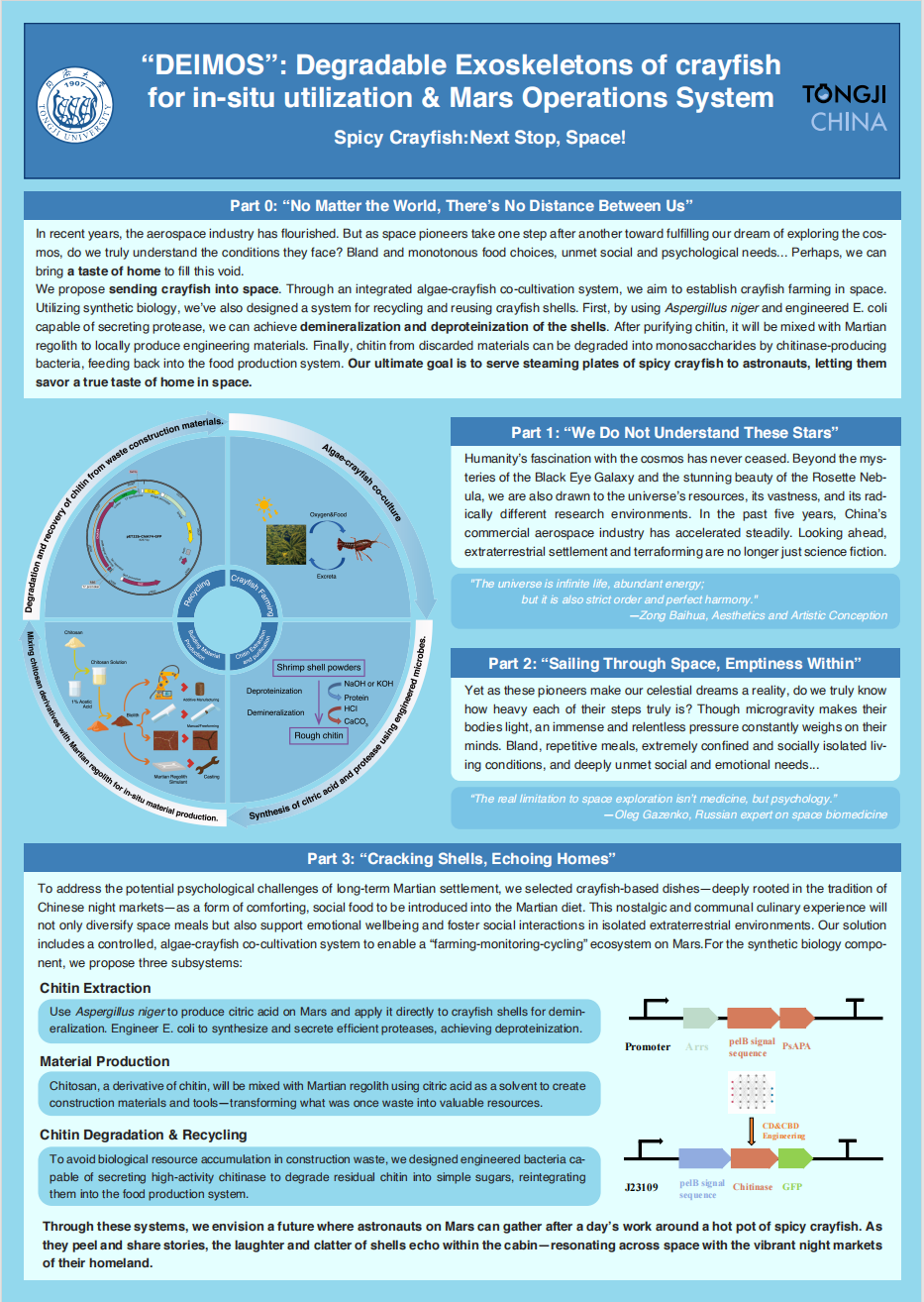
The aerospace industry has been thriving in recent years. However, as pioneering astronauts step by step fulfill our wonderful dream of flying to the sky, do we understand their situation? Limited and monotonous food choices, unfulfilled social and psychological needs... Perhaps, we can fill this void with the unique cuisine of our hometown! We plan to bring crayfish into space, achieve space farming of crayfish through co-culture with aquatic plants, and utilize synthetic biology technology to design a resource recovery and recycling system for crayfish shells: first, through Aspergillus niger and modified Escherichia coli that can secrete protease, demineralization and deproteinization are achieved; after purifying chitin, it is mixed with Martian regolith to achieve in-situ production of engineering materials; finally, chitin is degraded from discarded materials into monosaccharides that can be utilized by animals and plants, feeding back into the plant and animal production system.
Our ultimate goal is not just to bring a few engineered bacteria and a set of operational equipment to Mars, nor just to bring spicy crayfish to astronauts' dining tables, but to bring people's most fundamental and simple emotions, along with the expanded footprints of human being, to the farthest depths of the universe.
Cultural Connection
If the Silk Road is a segment connecting Eastern and Western civilizations, then we believe that the future of humanity and synthetic biology will be a ray that starts from Earth and continues to extend into the universe. On this ray, the light of technology illuminates the path ahead, while the warmth of humanity imbues exploration with meaning.
With the rapid development of technology, traditional culture and humanistic sentiments are often impacted or even marginalized. However, in the 'DEIMOS' project, we attempted to build a bridge that would prevent technology from becoming cold and culture from becoming silent. We use ‘spicy crayfish’, a food with a strong collective memory of China, as a carrier to bring the hustle and bustle on Earth to the lonely space. Our building materials will continue to pave the way for technology and culture to advance hand in hand. Our crayfish will remind future aerospace workers that what we bring from Earth to space should not only be human technology and ambition, but also cultural memories, humanistic care, and the emotions and connections that make us human.
We would like to remind those who are at the forefront of technology through this project: while looking up at the stars, perhaps only by looking back at the past can we walk more steadily and further. The roots of culture have never broken, it only accompanies humanity in new forms towards a deeper universe.